Scroll to begin

WISE BEYOND THEIR YEARS
In this month's Outturn, we’re challenging one of whisky’s oldest assumptions.
IS AGE JUST A NUMBER?
We’ve been taught to believe that age is one of the clearest measures of a Scotch whisky’s quality. The bigger the number on the bottle, the more depth and complexity we can expect from the whisky inside it. But there's a catch. Participate in any blind tasting, such as the many Society events that take place each month, and you'll notice that even the most experienced palates among us will often mistake a young whisky for an old one. This month we're looking at the process of maturation and other factors that could younger whiskies taste "wise beyond their years". Does age really matter as much as we've been led to believe? Or is it just one of many ingredients in the fascinating blend of art and science that is whisky making? You be the judge...




Maturation, Simplified

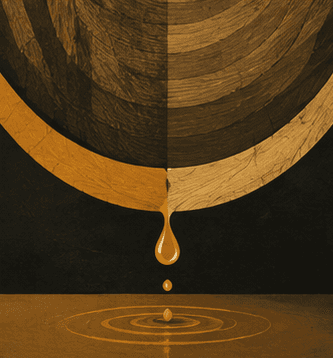
• Maturation begins when new-make spirit enters an oak cask, where it starts interacting with the wood, air and its surrounding environment.
• The spirit moves into and out of the oak, extracting color, flavor and aromatic compounds from the wood.
• The rate of interaction between spirit and oak is influenced by factors such as temperature, climate and warehouse conditions, meaning maturation can progress very differently from one cask to another.
• A cask’s previous contents (bourbon, wine, sherry, etc.) can leave behind flavor compounds that influence the maturing spirit, adding layers of character that have little to do with age itself.

Ok, What Else?
What we perceive as “age” may not only be the result of time spent in a cask. There are other influences within the whisky making process that may contibute to the depth, richness and complexity we instinctively associate with older whisky.

Fermentation Time
No one talks about it. But longer or carefully controlled fermentations can create layers of fruity and floral esters that may be interpreted as the complexity of an older whisky.

Yeast Strain
Different yeast strains can produce a broader range of flavor compounds, giving young spirit surprising aromatic depth before maturation even begins.

Still Shape
Still design influences whether the spirit is light and delicate or rich and weighty, with heavier spirit sometimes perceived as more mature.

Copper Contact
Controlling copper interaction influences sulfurous and heavier compounds, helping determine whether a spirit feels youthful and raw or polished and refined.

Distillery Character
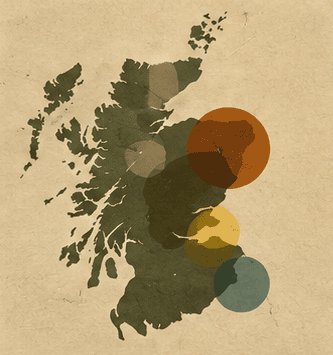
Some distilleries naturally produce dense, oily, fruity or highly characterful new make, giving the cask a more complex starting point.
So, does age really matter?
It's time to put the numbers aside, taste your way through the Outturn, and let the whisky do the talking.


Discover ten whiskies whose depth, richness and complexity suggest far more time in the cask than their age statements reveal.
Shop the collection
Wise Beyond Their Years