Scroll to begin
THE FIVE REGIONS
This month we explore the five whisky regions of Scotland and the question that challenges them all.
DO REGIONS MATTER?
For centuries, Scotch whisky has been defined by place. Divided into five whisky regions, each one produces whisky with its own style and character. Or so we've been told. Today, Scotch whisky is evolving at an unprecented pace. Modern distillers are pushing boundaries like never before, experimenting with new styles that breach the traditional characteristics of their own region. On one hand, the five regions are steeped with undeniable heritage. But on the other hand, it's becoming increasingly difficulty to blindly taste a malt whisky and identify where it's come from. One can't help but wonder if the regions matter.
YOU BE THE JUDGE
• The first whisky regions date back to the 19th century.
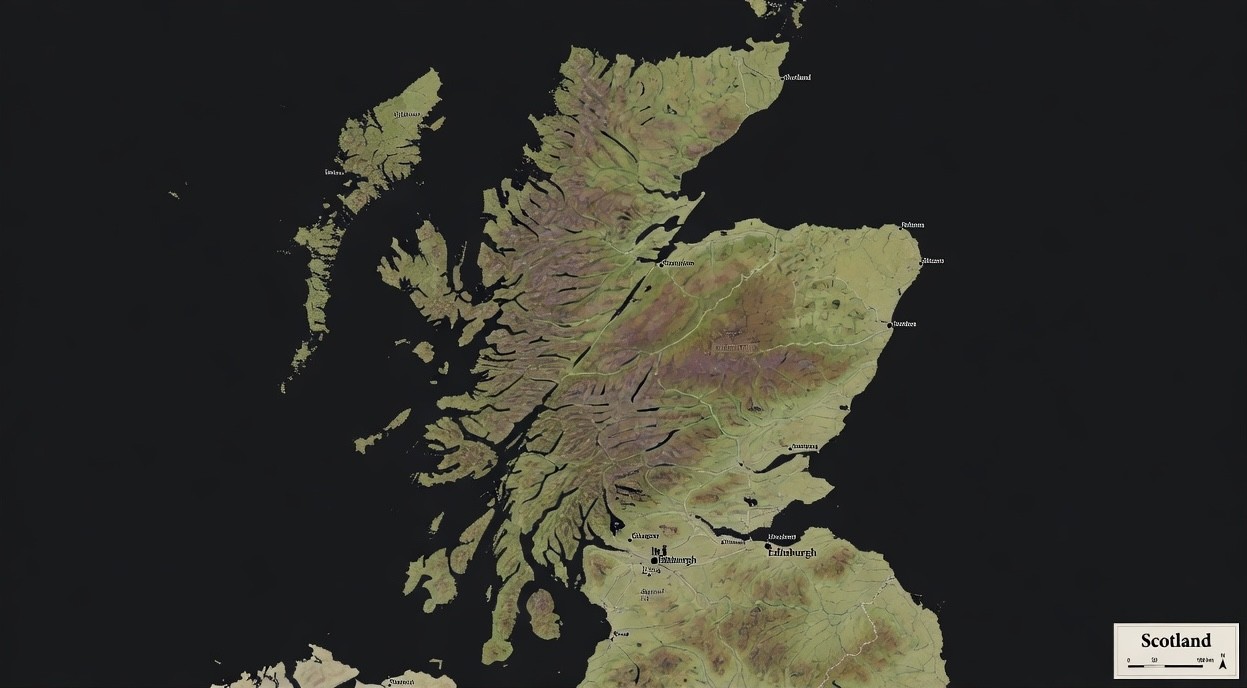
• In 2009, five protected regions were formally recognized by the Scotch Whisky Association (SWA).
• Unlike the wine regions of France, the whisky regions of Scotland do not require producers to adhere to strict production laws.
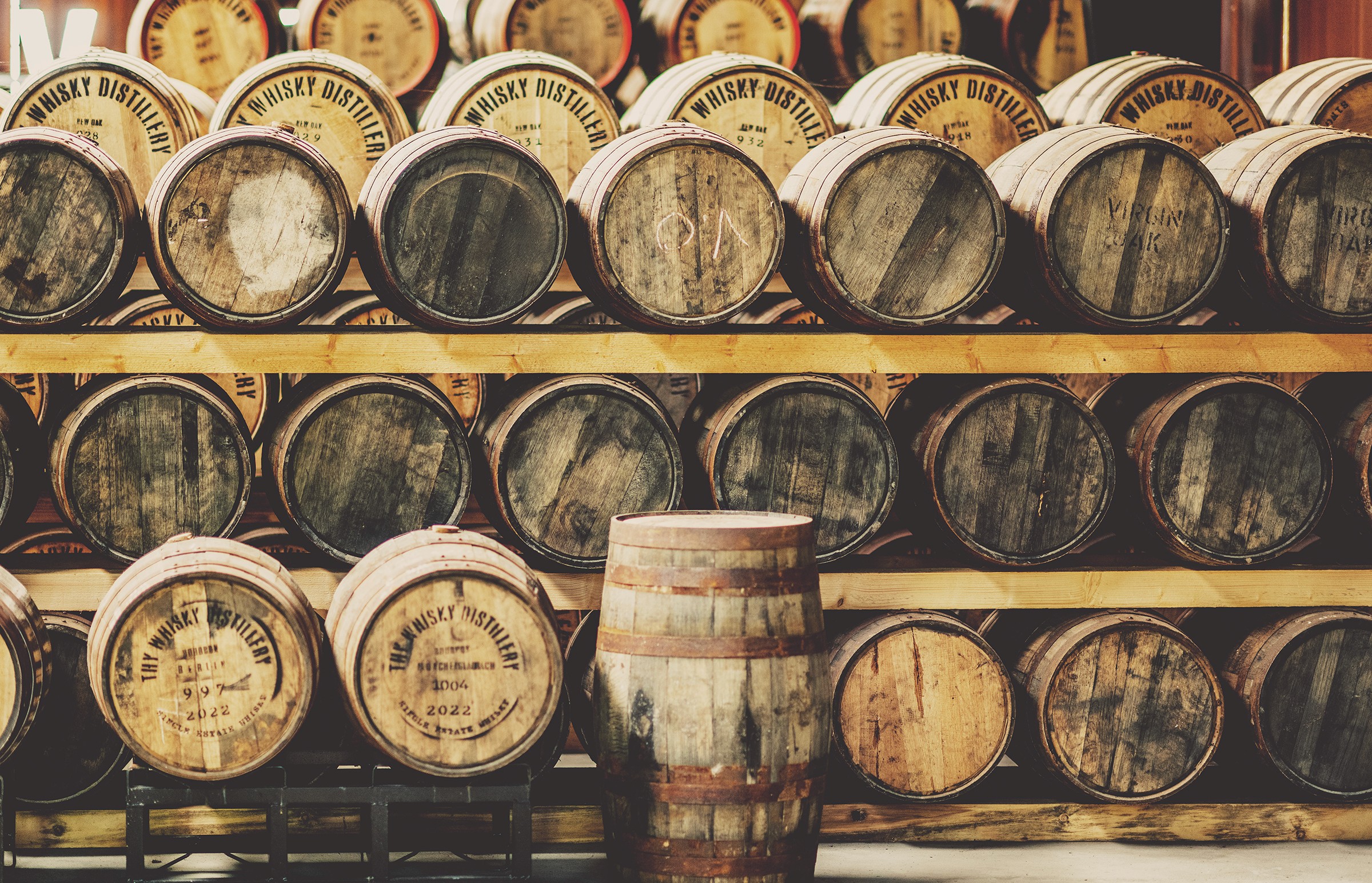
• Many claim that certain cask types such as Sherry oak can dominate a whisky's flavor, making it difficult to taste the underlying spirit and its origin.
• Blind tastings consistently show that even experienced drinkers struggle to correctly identify a whisky’s region.
SHAPED BY GEORGRAPHY
The regional styles of Scotch whisk were not born out of legal designations but from convenience. Centuries ago, before motorized transport and modern roads, early distillers turned to their local communities to develop their craft, often replicating the approach of their neighbors.
Speyside
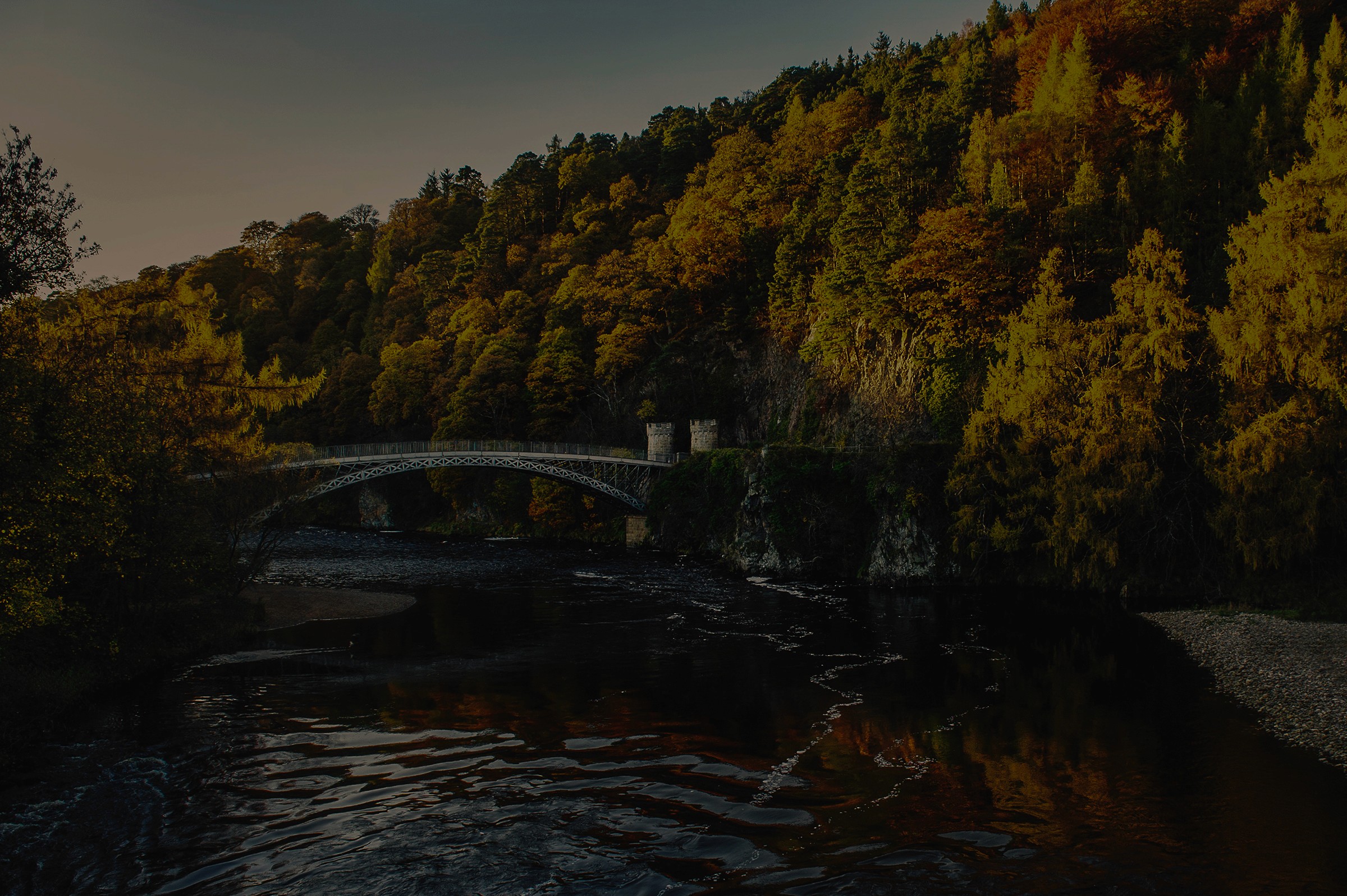
Half of all Scotch whisky distilleries can be found in this small pocket of Northeast Scotland. Traditionally, Speyside whisky was defined by its fruity and elegant profile, showcased by iconic distilleries such as Glenfiddich, The Macallan and The Glenlivet. But other distilleries such as BenRiach, Mortlach and Craigellachie have been using alternative methods to produce a heavier and more robust style of whisky.
Lowland
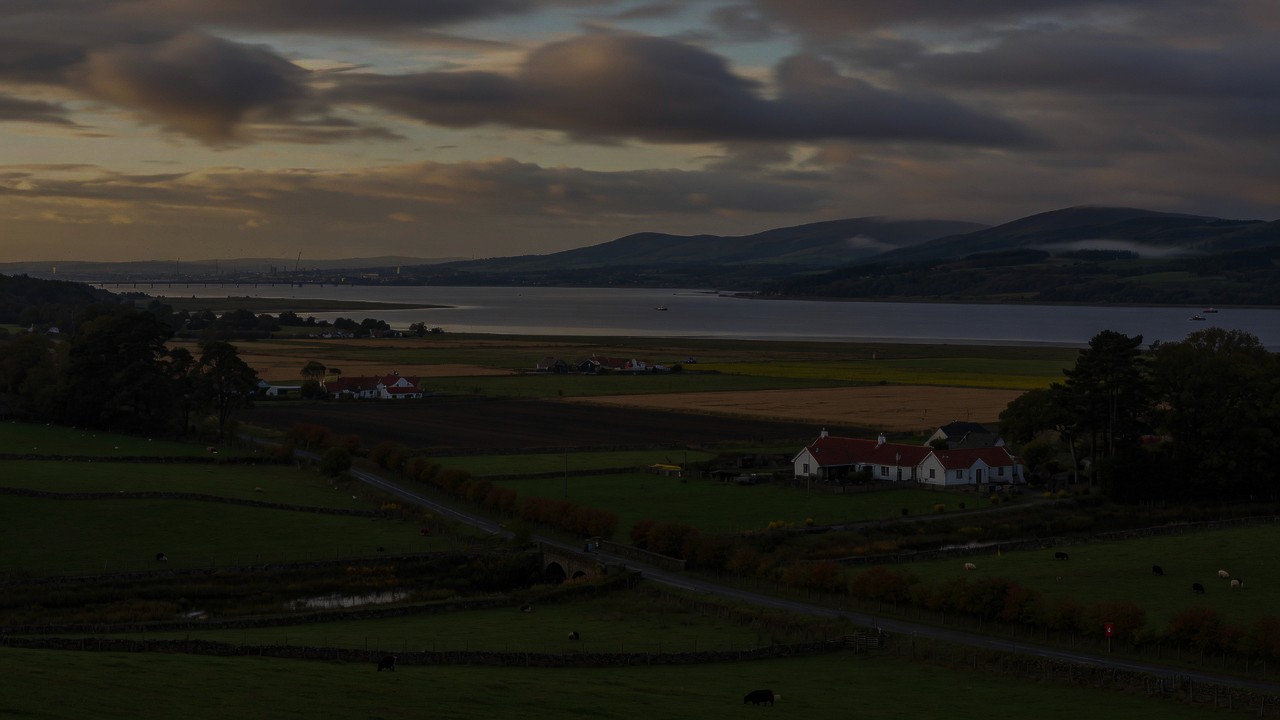
Lowland whisky has long carried a simple reputation: light, soft, and easy-drinking. But in recent years, the region has become a hub of new distilleries and innovation, largely thanks to its dense population and ease of access from Scotland's largest cities. These new distilleries are far more eager to reinvent than to adhere to tradition.
Highland
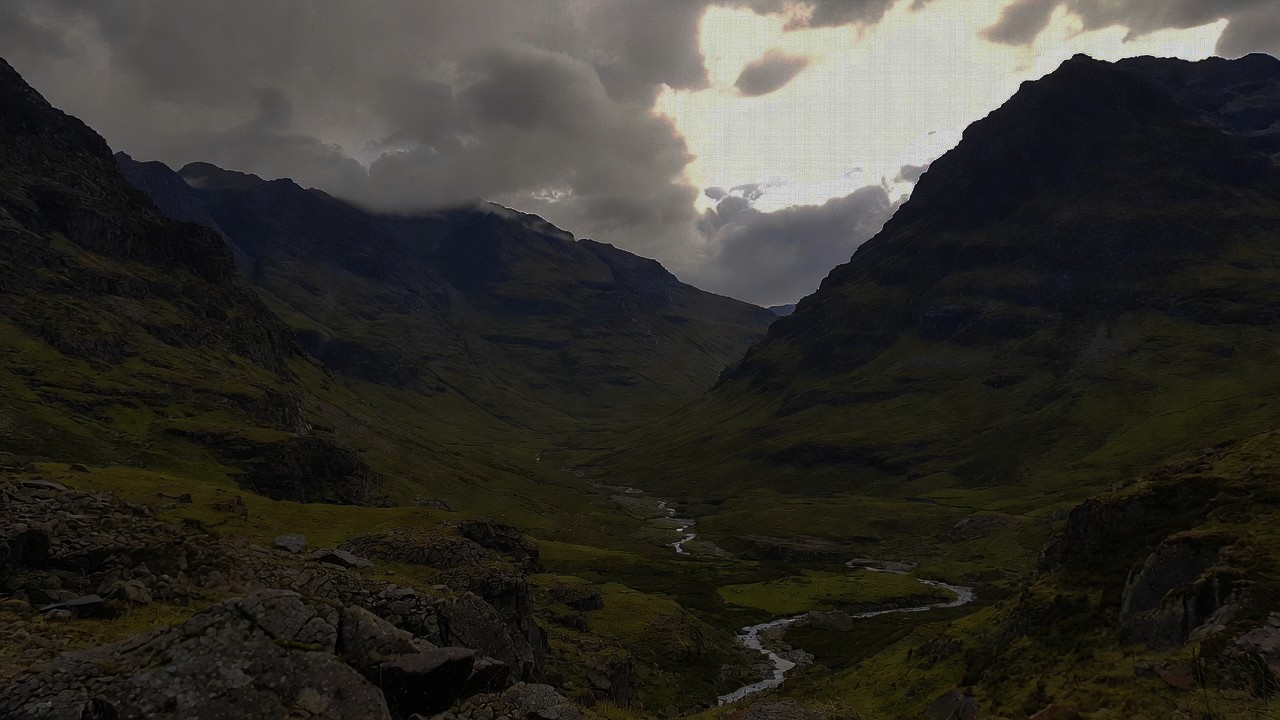
Scotland's largest geographic region has always been the most difficult to define. The region encompasses everthing from the northern mainland to the surrounding islands (except Islay). As such, Highland distillers produce everything from light, citrusy malts to heavily sherried monsters. What is the “Highland style” today? It's safe to say no one has ever known.
Campbeltown
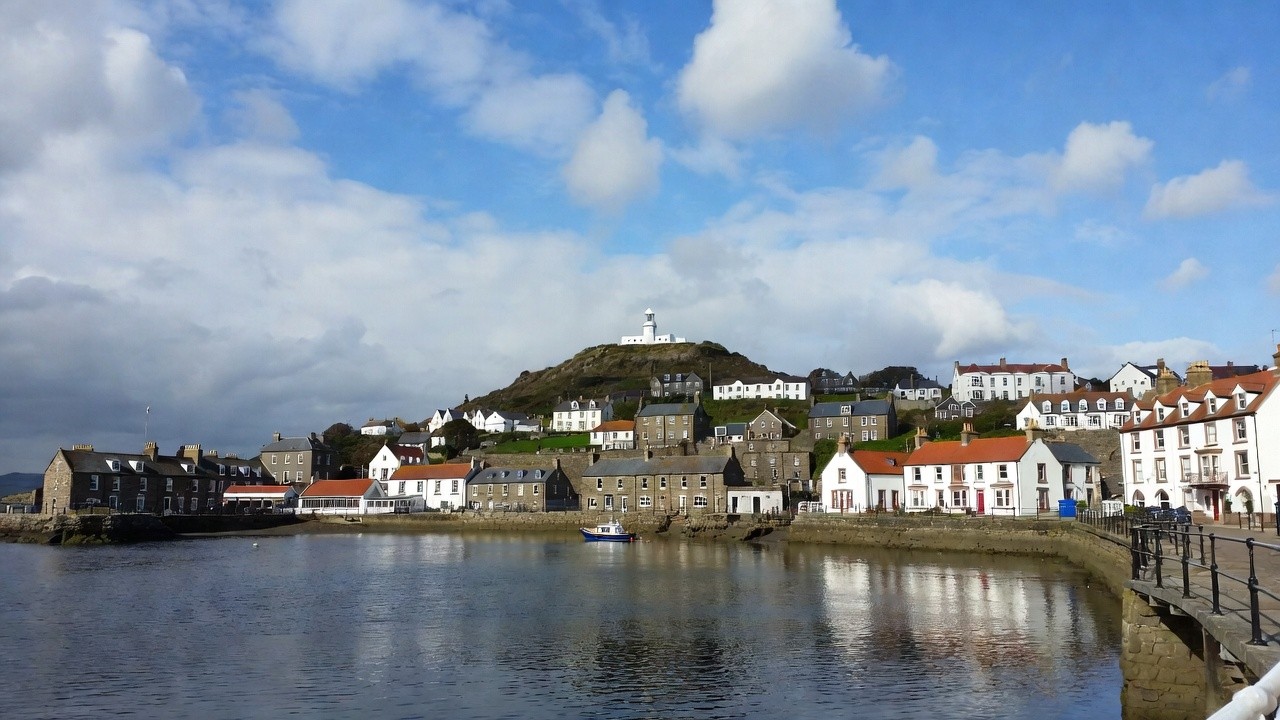
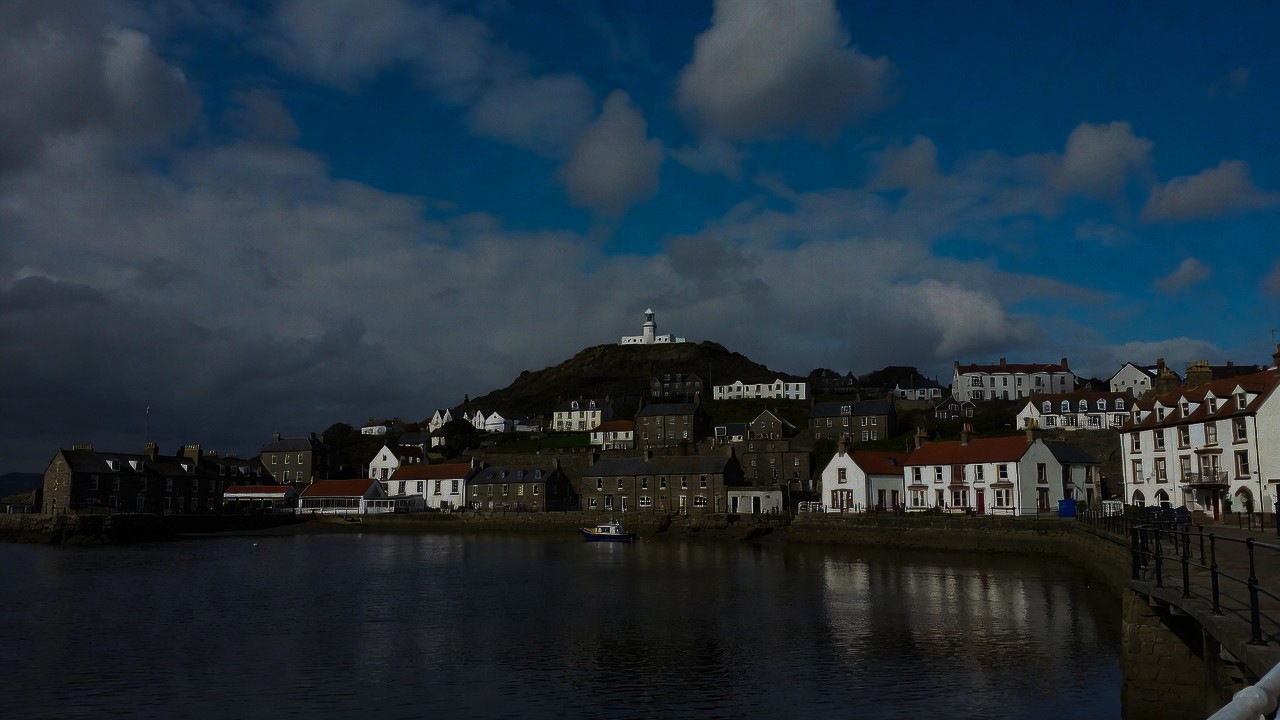
Once the whisky capital of the world, only a handful of distilleries remain in what is now Scotland's smallest region. Malt whisky enthusiasts rave about its smoky and almost industrial style of spirit - the "Campbeltown funk". But with warm and gentle spirits like Hazelburn and Glen Scotia bucking the trend, the region may not be as funky as we think.
Islay
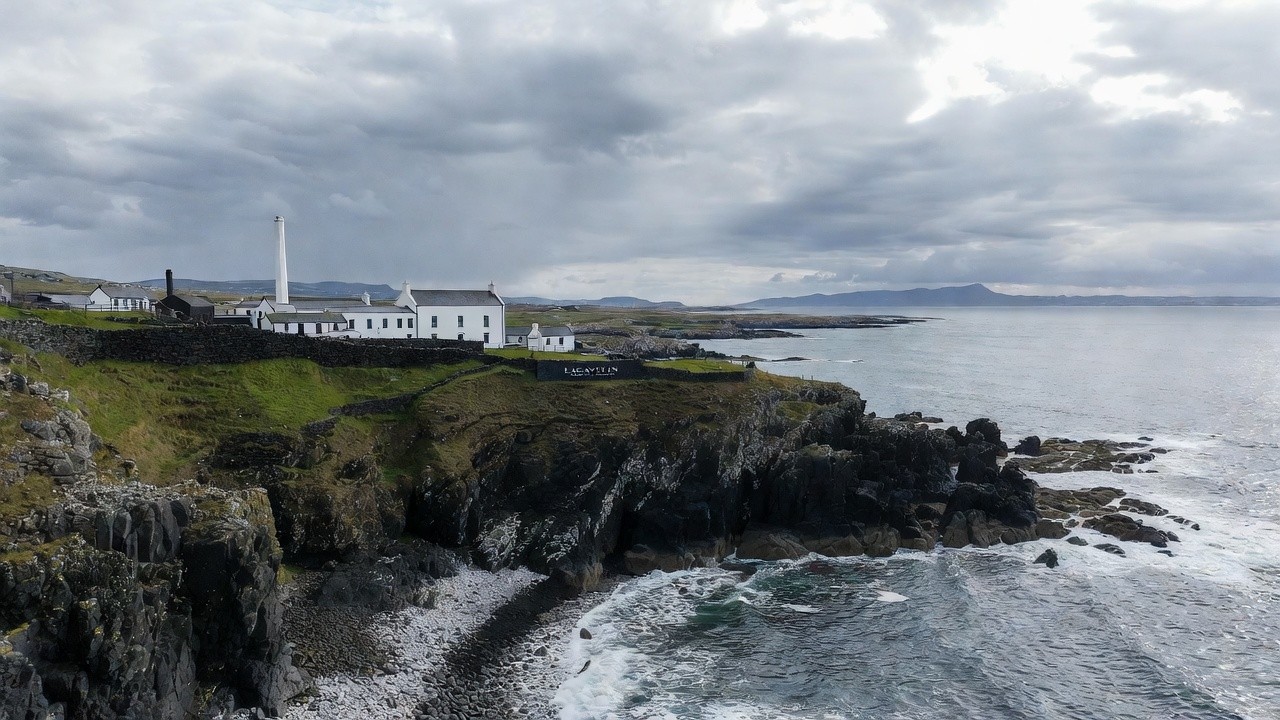
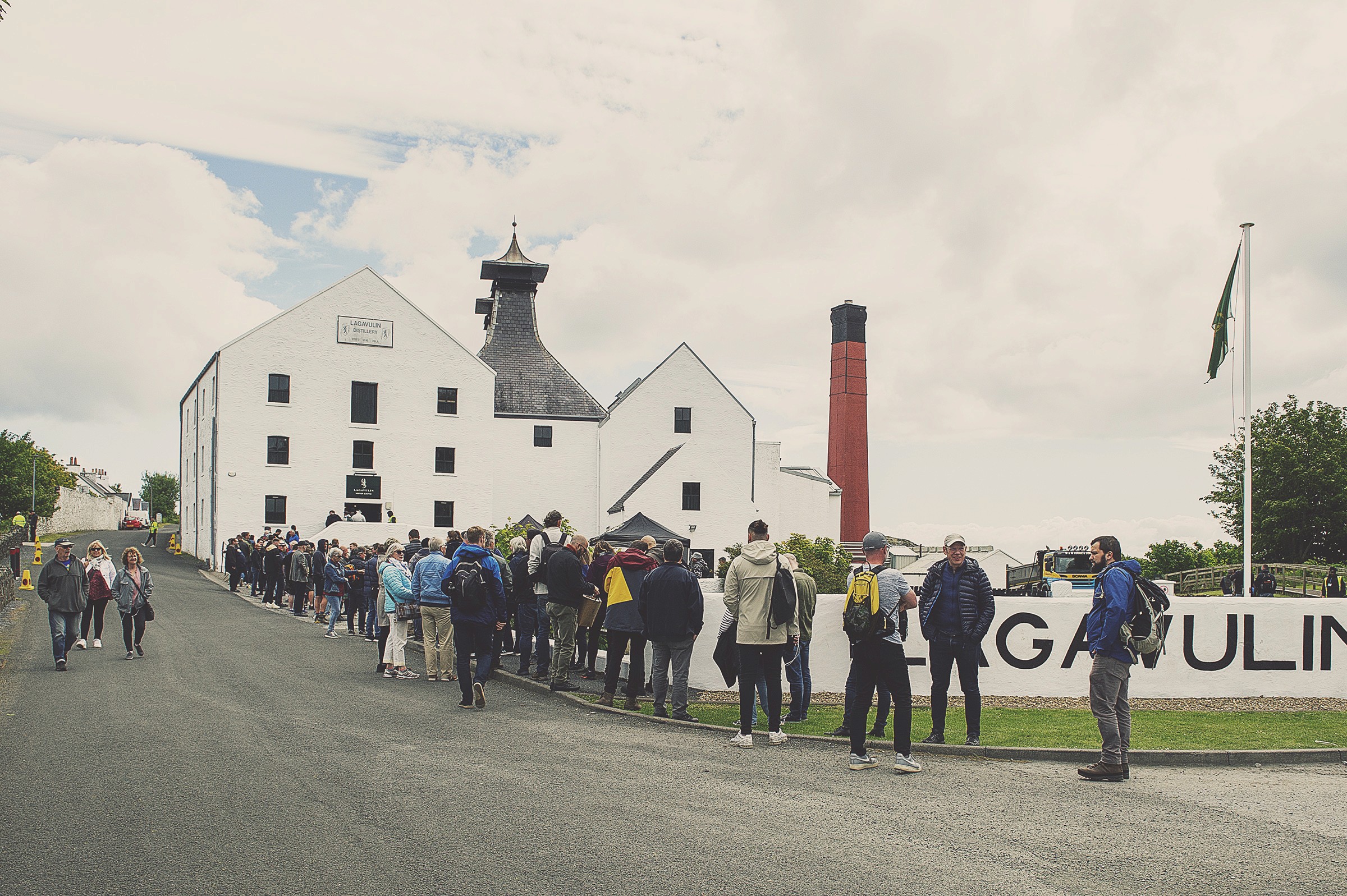
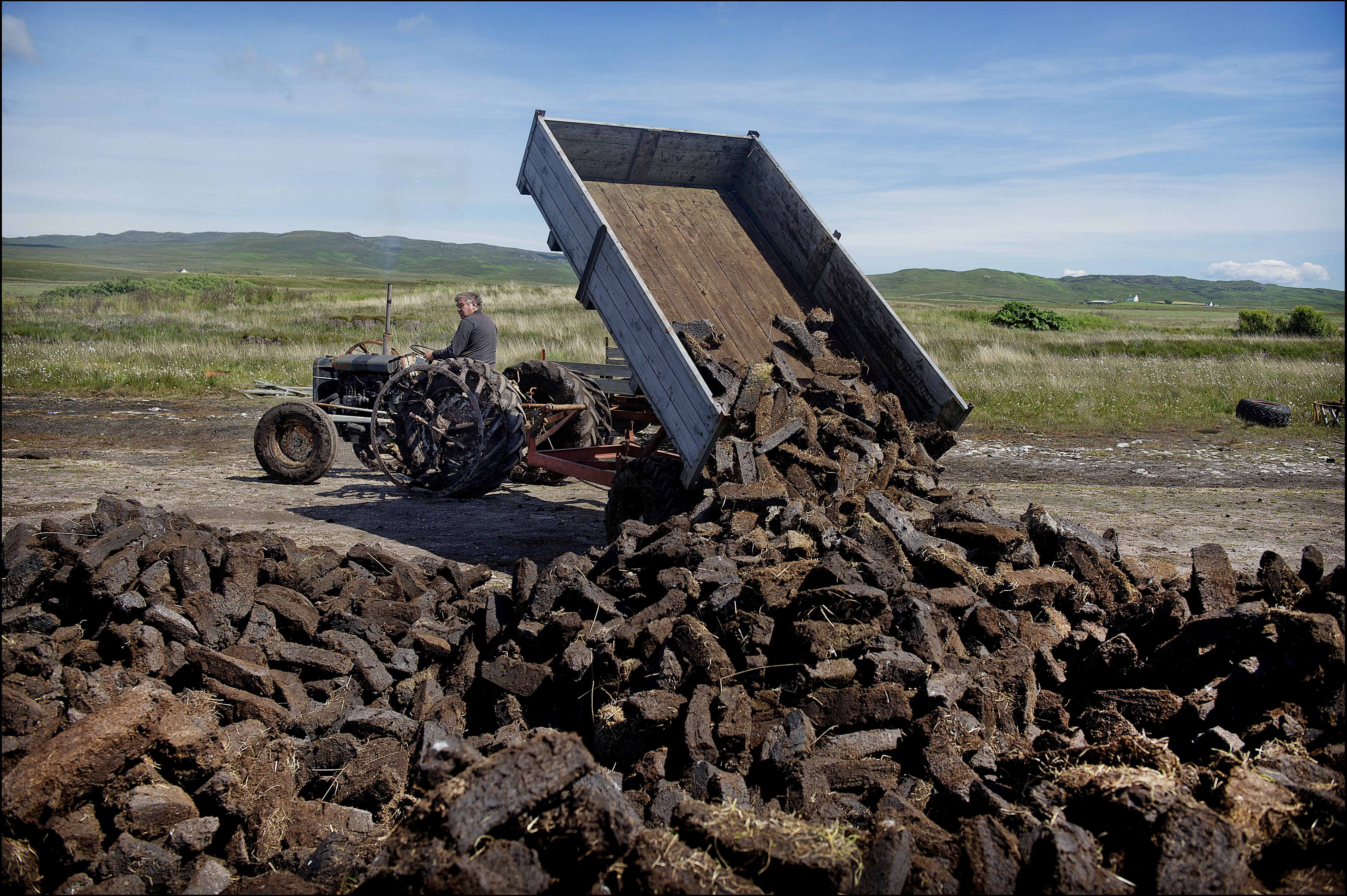
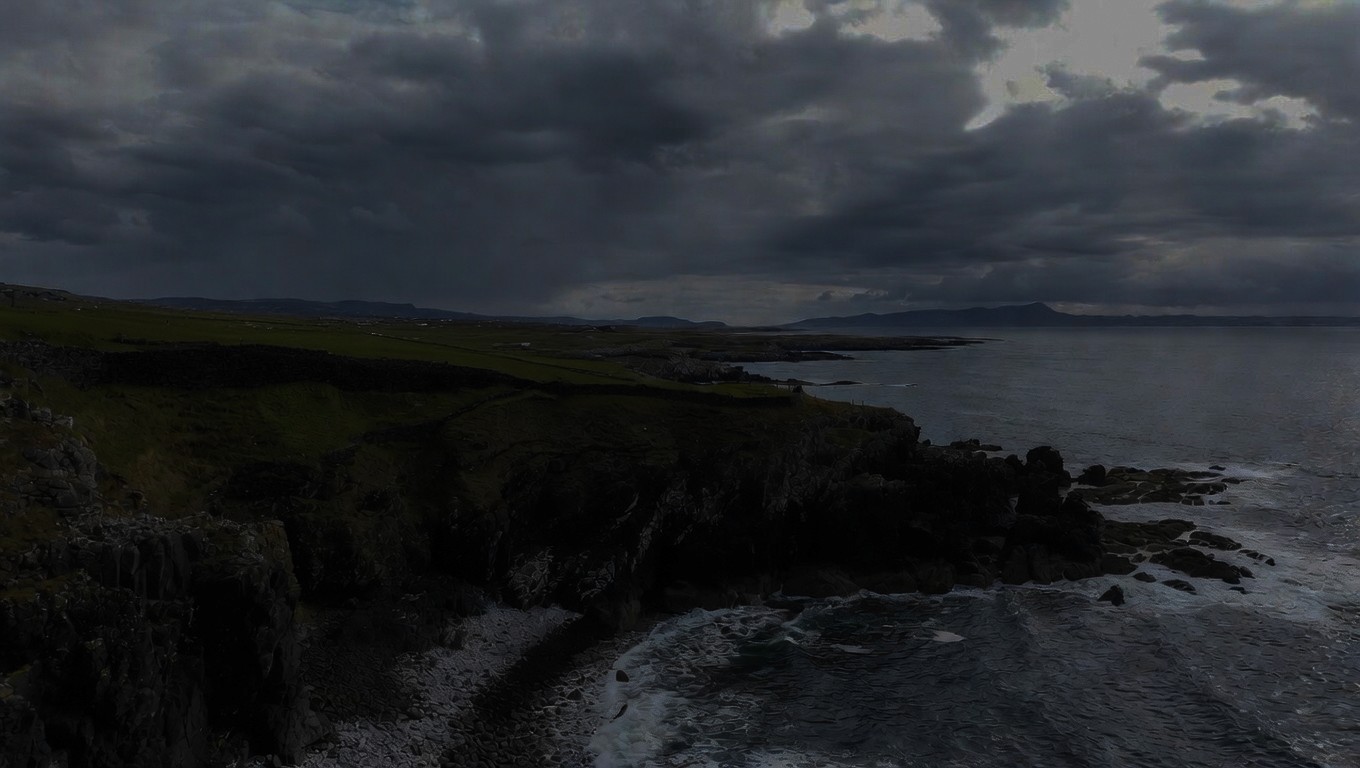
Islay is famous for producing peated whisky that is bold and smoky with an unmistakable maritime character. But in recent years, we've seen a resurgence of unpeated Islay whisky from the likes of Bruichladdich and Bunnahabhain. Simultaneously, distillers back on the mainland have been experimenting with peat themselves. The culture of Islay undeniable but is its whisky losing its storied identity?
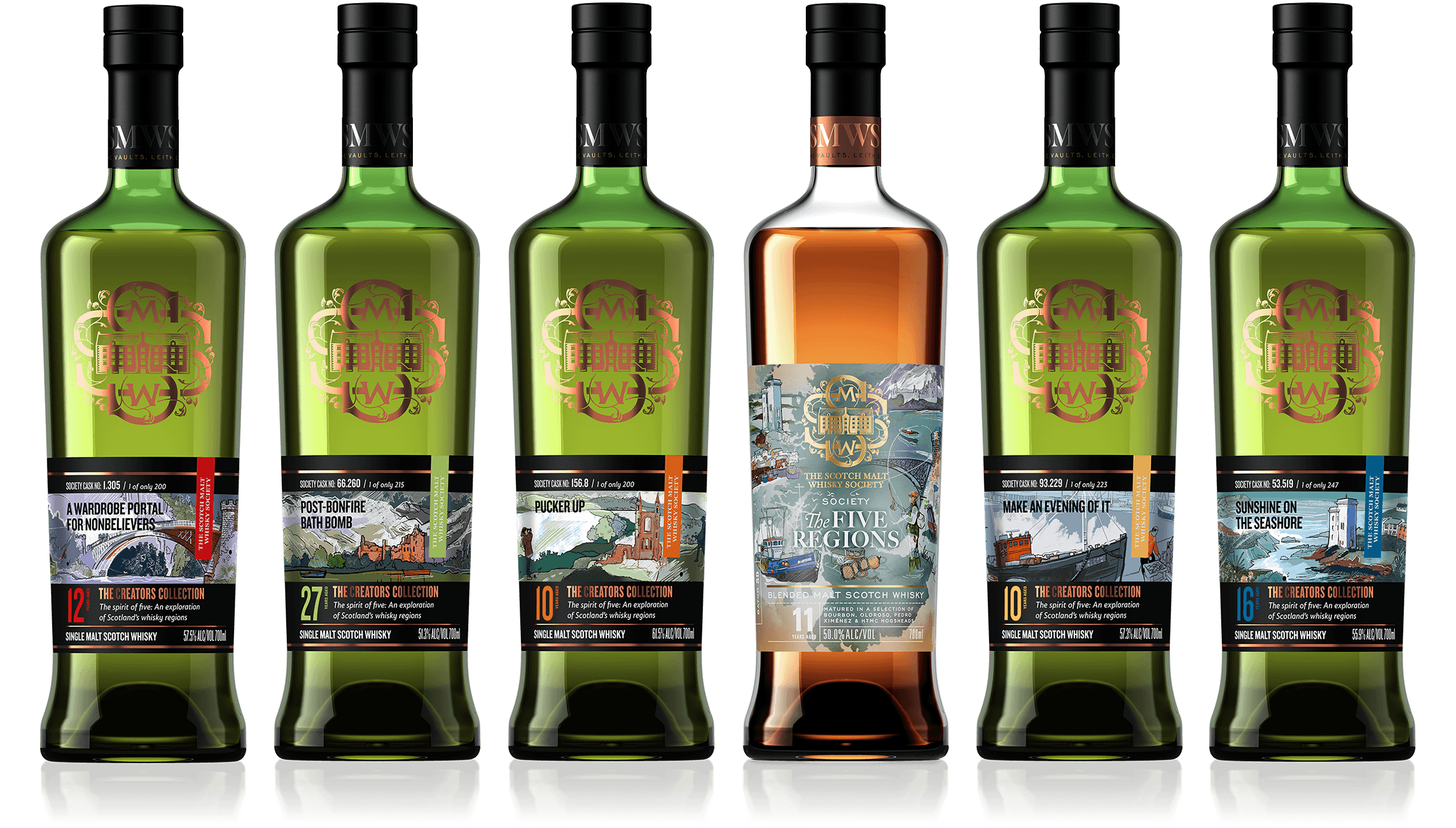
The 2026 Festival collection features sixteen limited edition whiskies from all five regions of Scotland. Explore them to decide for yourself - do regions matter?
Shop the collection
The Five Regions